Budo: The Way Behind Japanese Martial Arts
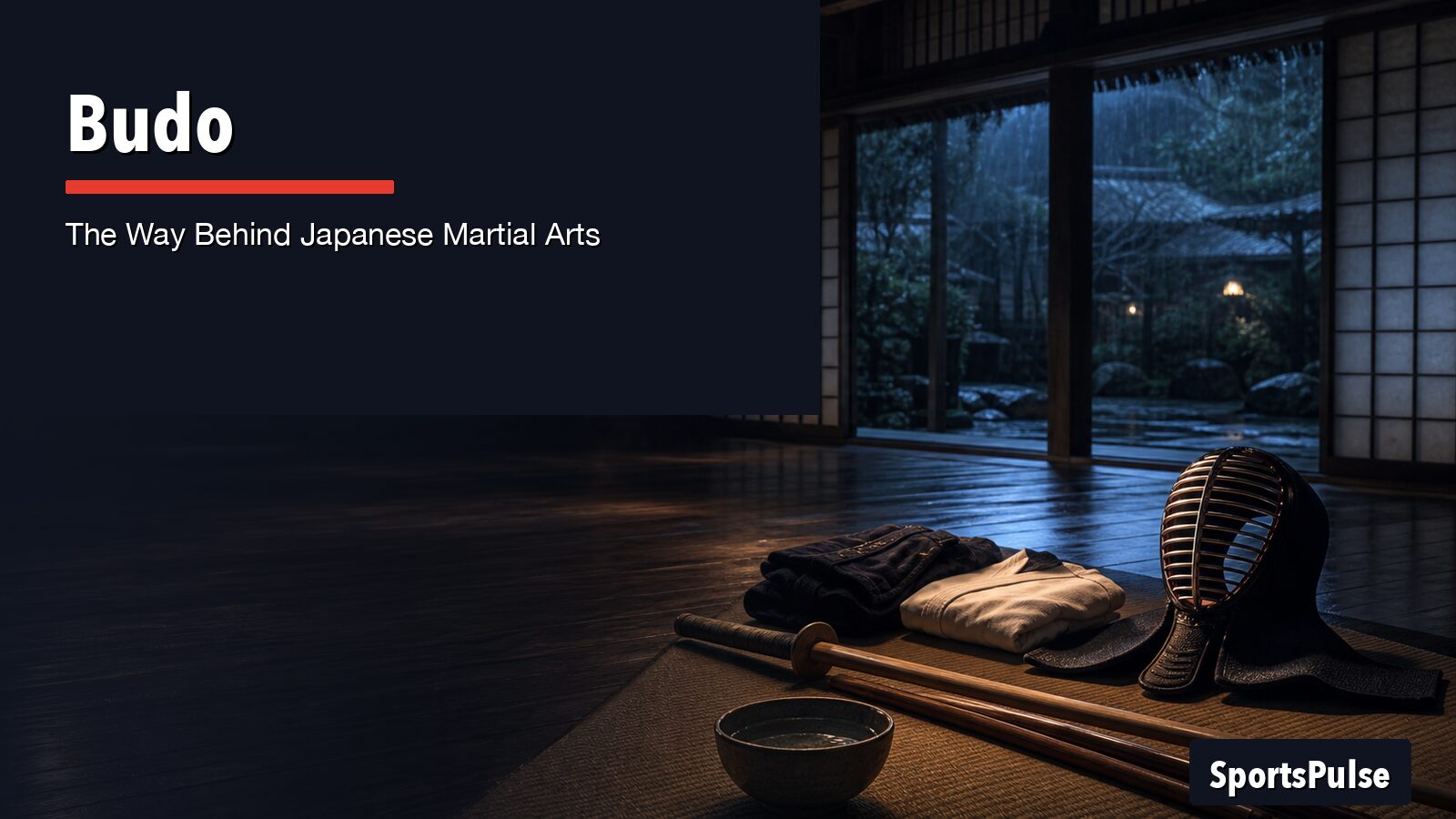
Budo: The “Way” Behind Japanese Martial Arts
Judo, kendo, karate — all share one idea: budo, the “martial way.” Here is the philosophy that makes Japanese martial arts a path, not just a sport.
Judo, kendo, karate, aikido — their Japanese names all end in -do (“way”). That is no accident. Budo — the “martial way” — treats martial arts as a lifelong path of self-development, not merely a means to win. Here is the philosophy at the heart of Japanese martial arts.
1. From jutsu to do
Technique becomes a path.
Older combat arts (-jutsu, “technique”) evolved into modern budo (-do, “way”) — judo, kendo, karate-do. The shift signals a change of purpose: from battlefield skill to personal cultivation through practice.
2. More than fighting
The opponent is yourself.
In budo, the deepest contest is with oneself — building discipline, humility, focus and character. Winning matters, but mastery of the self is the higher goal, expressed across judo, kendo and karate.
3. Etiquette and respect
It begins and ends with a bow.
Budo is inseparable from rei (etiquette): bowing to the space, the teacher and the opponent. Respect is not decoration — it is part of the training itself.
4. Why it matters
A model that shaped Japanese sport.
The budo ideal — effort, respect, self-mastery — ripples far beyond martial arts into Japan’s wider sporting character, and is one of its most influential cultural exports.
Frequently asked questions
What is budo?
The “martial way” — the philosophy treating Japanese martial arts as a lifelong path of self-development, not just fighting.
Why do judo, kendo and karate end in “-do”?
“-do” means “way,” signalling a path of personal cultivation rather than mere technique (-jutsu).
Why is etiquette so central?
Respect (rei) — bowing to the space, teacher and opponent — is considered part of the training itself.
Keep exploring
Explore the stories, systems and culture behind Japanese sport.
Sources & notes
- Editorial explainer on budo (the “-do/way” philosophy) across Japanese martial arts. General cultural overview.
A guide dated 22 June 2026. No copyrighted material is reproduced. General information.
📅 更新履歴
| 日付 | 変更内容 |
|---|---|
| 2026年6月22日 | 初回公開 |
| 2026年7月27日 | 情報を更新 |
✅ ファクト再検証
最終検証日:2026年7月27日
SportsPulse 編集部が公開情報をもとに内容を確認しています。情報は確認時点のものです。最新情報は各公式サイトをご確認ください。